
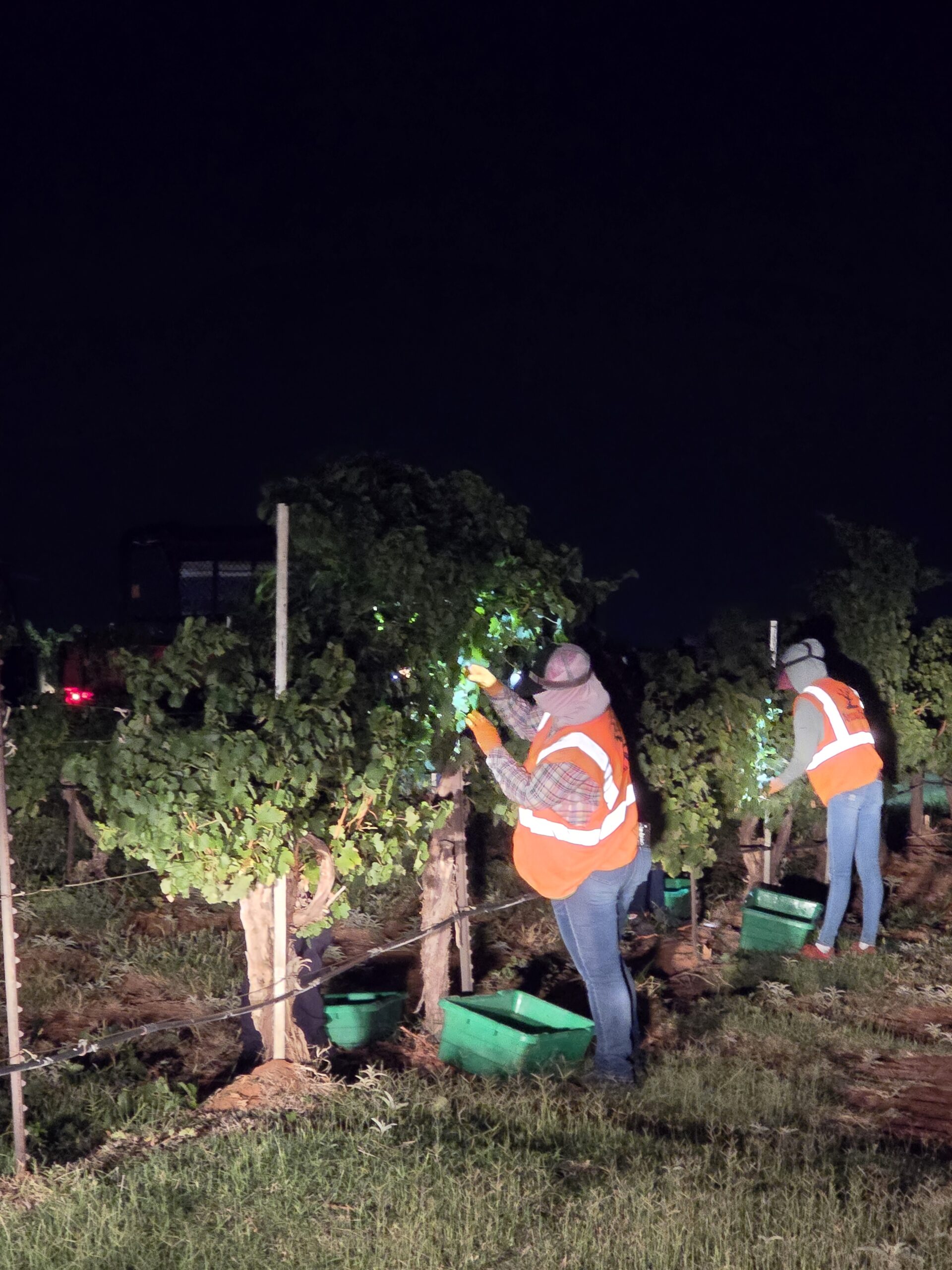
We brought in 13 tons this year.
A normal year at Boxing Rabbit is 40 to 50. I’ll let that number sit there a minute, because it tells you just about everything about 2026.
This vineyard has been in the ground since 1975 — the oldest continually operating commercial vineyard in Texas — and in all those years, it’s never seen a season quite like this one.
The year opened with the coldest stretch ever recorded here: about four below zero on our station in late January, with an Extreme Cold Warning and wind chills down around fifteen below. That freeze killed three acres of Sangiovese right down to the roots. Those vines are own-rooted, so what comes back will be true Sangiovese — but it’s three years of renewal pruning, one year at a time, to bring that block back into production.
It took about a quarter of our seven acres of Mourvèdre, too — roughly 2,000 vines. Those are grafted, so the dead ones have to come out and new vines go in. Here’s the part I’m grateful for: the USDA’s Tree Assistance Program covers up to 65 percent of replanting costs after a natural disaster like this one, and we’ve got that assistance secured. The vines will go back in the ground.
Then spring gave us something we’d never seen: two frosts in one year. The first came around St. Patrick’s Day and took the primary buds on all three acres of Chenin Blanc and about half the primaries on our six acres of Sauvignon Blanc. The second came the third week of April and took another quarter of what was left — the secondary buds this time — plus some damage in the Viognier.
And then, on April 27, right in the middle of fruiting season, herbicide drift moved through and killed flowers on several acres. When the flowers are gone, there’s no crop — it’s that simple.
Just when we thought the year had shown us everything, on June 25 it sent the worst hail I’ve ever seen through the vineyard. Damage was severe and widespread across the entire vineyard.
A word about the blocks that weren’t insured — the Mourvèdre and Sangiovese. Crop insurance needs two tons an acre of production history before a block qualifies, and those blocks were right on the edge of getting there this year. They were already sold, buyers lined up. That’s the one that stings, and it’s also the clearest thing we’re working toward: getting those blocks to insurable production.
So: 13 tons. A quarter of a normal year. And you know what? We’re still here, and the vineyard’s still here, and next year’s already taking shape. The Sangiovese gets its first year of renewal pruning. The Mourvèdre replanting goes in with USDA help. We’ve registered with DriftWatch and we’re setting up real spray-season communication with our neighboring farmers, so we know — positively — what’s going upwind of us and when. The vines are going dormant now through January, and dormancy is when a vineyard does its quietest, most important work.
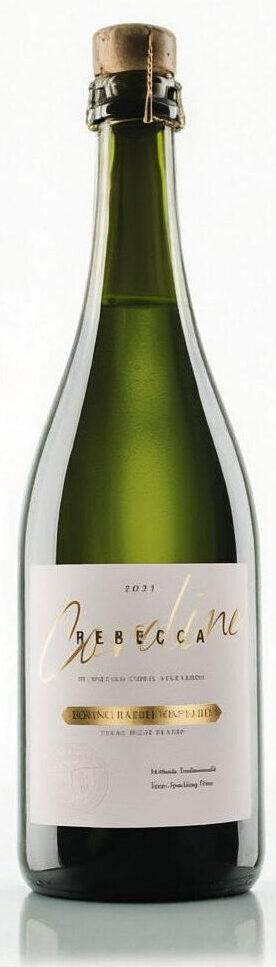
And here’s the thing I keep coming back to: the wine this land did make is finding its people. This fall, William Chris Vineyards — who makes our wines — was named number 31 on the World’s 50 Best Vineyards list, the first Texas winery ever to make that ranking. Our grapes are at the heart of their Rebecca Caroline sparkling program, and the 2023 cuvée has been picking up honors all year — one of just a handful of Texas wines to be named in the prestigious World’s Best Sommeliers’ Selection 2026, a silver at Decanter with 93 points, silver at the Houston Rodeo Uncorked, a 9.0 “Top Pick” from Drinkhacker. And growers across the High Plains are saying the fruit that survived this brutal year could make exceptional wine. I believe them.
Fifty-one years in the ground. This old vineyard has seen freezes and droughts and everything in between, and it’s still teaching us. We’ll see you out there next season.
— Kelly
—
*P.S. If you’re near Fredericksburg on October 23, William Chris is pouring at Tempra Tantrum — thirteen Texas wineries, each making their own Tempranillo from the same Seminole fruit, barrel tastings and winemaker meet-and-greet at Slate Theory Winery, 11 to 1. Come taste what Texas grit looks like in a glass.*

Leave a Reply